

Scarlet Fever in children (Scharlach)
Updated: Oct 20, 2025
Scarlet fever is one of the common infectious diseases in childhood, and with the right treatment, it usually heals well today. This was not always the case. In the past, before antibiotics were available, families were often very afraid of scarlet fever because it frequently had a severe course.
Even though the diagnosis can still be unsettling at first, children can generally be treated safely today. Early medical evaluation, guideline-based antibiotic therapy, and good hygiene in everyday life significantly reduce the risk of complications and support a quick recovery.

What is Scarlet Fever?
Scarlet fever is a common bacterial infection among children
It is caused by the group A Streptococcus bacteria.
It is a highly contagious infection.
It primarily affects children aged 5 to 15, but it can occur in individuals of any age.
It spreads rapidly through respiratory droplets from coughs and sneezes or by touching surfaces contaminated with the bacteria.
Scarlet fever can recur multiple times.
When to Seek Medical Attention
If your child experiences symptoms such as a sore throat, fever, and rash, please visit you pediatrician.
The doctor can diagnose scarlet fever based on symptoms and may perform a throat swab for confirmation.
Contact your pediatrician, describe the symptoms and inform them of your assumption. The medical practice needs this information to schedule you separately from other patients, possibly directing you to an isolation room or infection consultation.
Symptoms and Disease Progression
Symptoms typically appear 1 to 3 days after infection:
Day 1: Sudden onset of fever, sore throat, headaches, and possibly vomiting.
Days 2 to 4: High fever persists, accompanied by a rash that starts in the armpits and inner thighs, spreading to the whole body. The tongue may develop a "strawberry" appearance.
Days 5 to 7: The tongue transitions to a "raspberry" appearance, and lymph nodes become swollen. The rash begins to fade, and the skin starts to peel, lasting for weeks.

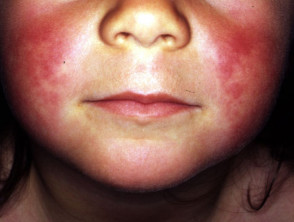
Scarlet Fever Scharlach 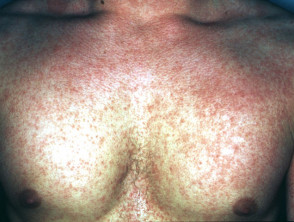
Scarlet Fever Scharlach 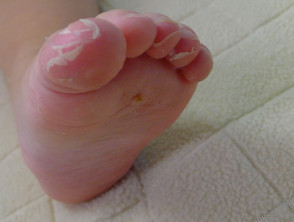
Scarlet Fever Scharlach
© DermaNetNZ
Contagious Period
With antibiotic treatment, the patient becomes non-contagious within 24 hours of the first dose.
Without treatment, they can remain contagious for up to 3 weeks.
Treatment and Management
Scarlet fever is typically treated with antibiotics to shorten the contagious period and reduce complications.
Penicillin, usually administered orally, is the primary antibiotic for scarlet fever. It's crucial to complete the full course of antibiotics as prescribed, even if your child starts to feel better before finishing the medication.
Your doctor may also recommend Ibuprofen to lower the temperature and alleviate discomfort and pain. Always consult the medication's packaging for the recommended dosage based on your child's age and weight.
*Be cautious when giving over-the-counter medicines to children! Not all over-the-counter medicines are suitable for certain ages. Consult your doctor or pharmacist for the correct dosage based on your child’s age and size.
How to Support Your Child
Managing scarlet fever in children or babies can be a very worrying time for parents. Remember to take breaks and rest while your child is resting, and ensure you stay hydrated by drinking enough water.
During this time, it's important for your child to rest and receive lots of love and care.
Encourage plenty of rest to help the body fight off the infection, and offer fluids to prevent dehydration, especially if your child has a fever.
Provide soft, soothing foods if your child's throat is sore.
If you'd like to gently reduce the fever, you can try using washcloth/ compresses on your child's forehead and calves with lukewarm water (never use cold water, and change the compress after a maximum of 10 minutes).
Remember to change bed linens, towels, etc., frequently to prevent the spread of infection.
Possible Complications
Complications of scarlet fever may include inflammation of the middle ear, sinuses, and lungs.
Rare but serious late complications include acute rheumatic fever, which involves inflammation of large joints such as the knee joints, heart muscle, pericardium, or heart valves, as well as kidney inflammation.
Complications are more common when scarlet fever is left untreated with antibiotics or when antibiotic therapy is prematurely discontinued.
Preventing Spread
Teach hand hygiene, covering mouth and nose when coughing or sneezing, and avoiding sharing personal items.
Returning to School or Childcare
Children with scarlet fever have to stay home until they are no longer contagious.
Stand: 10/2025
Resources:


